

Best Retail Survey Software in 2026: Tools Compared for Every Touchpoint

Johannes
CEO & Co-Founder
14 Minutes
March 7th, 2026
According to PwC's Future of Customer Experience research, 32% of customers stop doing business with a brand they loved after just one bad experience. In retail — where margins are thin and acquisition costs have risen 60% over the last five years — that is an expensive number to ignore.
The difference between retail brands that retain customers and those that lose them often comes down to one thing: whether they systematically collect and act on feedback. That is what retail survey software is designed to do.
This guide covers the seven best retail survey software platforms in 2026, what to look for when choosing one, and how to map your collection strategy to the touchpoints that actually move the needle.
What is Retail Survey Software?
Retail survey software is a category of tools purpose-built to collect customer feedback across the retail journey. This includes post-purchase surveys, in-store QR code feedback, delivery experience ratings, support ticket follow-ups, and loyalty program check-ins.
What separates retail survey software from general tools like Google Forms or Typeform:
- Omnichannel collection across email, SMS, QR code, kiosk, web pop-up, and in-app
- Multi-location reporting with store-level and region-level segmentation
- Ecommerce integrations with Shopify, WooCommerce, and Magento
- Post-purchase automation triggered by order status events
- Closed-loop workflows that route negative feedback to the right manager in real time
If you are running more than one location, or selling across both digital and physical channels, a general-purpose survey tool will hit its ceiling fast.
Why Retail Feedback is Harder Than You Think
Most NPS® and survey platforms are built for SaaS companies. Retail feedback has structurally different challenges that require different tooling.
The five core problems unique to retail:
- Frontline bias — Store staff often ask customers for "good ratings" before they hand over a QR code. This inflates scores and corrupts your data.
- Franchise data gaps — Franchise models frequently run on siloed POS systems with no shared customer data layer. Getting clean feedback across locations requires deliberate architecture.
- Short attention spans — A customer at a POS counter has 45 seconds of patience, not 45 minutes. Surveys must be 3 questions or fewer to capture anything meaningful in-store.
- High transaction volume — A 500-store retail chain processing 10,000 transactions per day generates more feedback opportunity than most enterprise SaaS companies. The tooling needs to handle that volume cleanly.
- Physical-digital gap — Online and in-store channels produce fundamentally different feedback signals. Platforms that unify these into a single view are rare and valuable.
Understanding these constraints shapes what features actually matter when you compare tools.
Key Features to Look For in Retail Survey Software
Before comparing platforms, use this checklist to filter by what your operation actually needs:
| Feature | Why It Matters |
|---|---|
| QR code + kiosk collection | Captures in-store feedback without email/phone requirement |
| Post-purchase automation | Triggers surveys based on Shopify / WooCommerce order status |
| Multi-location dashboards | Lets store managers and CX leads see different data cuts |
| Closed-loop workflows | Routes negative feedback to the right person automatically |
| AI sentiment analysis | Processes large open-text volumes without manual tagging |
| GDPR / data compliance | Required for EU retail brands and brands with strict governance |
| Self-hosting option | Full data ownership, no third-party processing |
| Ecommerce integrations | Shopify, WooCommerce, Magento, Gorgias, Zendesk |
Best Retail Survey Software in 2026
Here is a side-by-side comparison of the top platforms:
| Tool | Best For | In-Store Collection | Multi-Location | Self-Hosting | Starting Price |
|---|---|---|---|---|---|
| Formbricks | Open-source, privacy-first retail feedback | QR code, kiosk, web | Yes | Yes (free) | Free / $30/mo |
| Zonka Feedback | Omnichannel retail + AI analytics | QR, kiosk, offline | Yes | No | Custom |
| forms.app | Professional-looking surveys, advanced analytics | QR code, web | Yes | No | Free / $29/mo |
| SurveySparrow | Multichannel feedback, mid-market | QR, web, email | Yes | No | $19/mo |
| InMoment | Enterprise CX with journey analytics | Kiosk, web, tablet | Yes (enterprise) | No | Custom |
| Retently | Shopify / DTC brands, post-purchase NPS | Email, web | Limited | No | $49/mo |
| SurveySensum | Multi-location retail chains | QR, kiosk, offline | Yes | No | Custom |
| Qualtrics | Enterprise-grade analytics, large retail | All channels | Yes (enterprise) | No | Custom |
1. Formbricks
Best for: Retail brands that need full data control, GDPR compliance, or want to avoid per-response pricing at scale.
Formbricks is the only open-source retail survey platform in this comparison. That distinction matters in retail for two specific reasons: data ownership and pricing at scale.
Most retail survey tools charge by response volume. At 10,000 transactions per day across 50 stores, per-response pricing adds up fast. Formbricks' self-hosted plan is free with no per-response limits. Your infrastructure, your data, your cost curve.
For retail brands operating in the EU — or any brand with strict data governance requirements — Formbricks is the only option in this list where survey data never touches a third-party server. See our GDPR survey tool guide for a deeper look at what compliance actually requires. Self-hosting means your customer feedback stays on your infrastructure. This removes a significant portion of GDPR compliance overhead, since Formbricks as a company never processes the data.
What it does well for retail:
- Multi-channel distribution: QR code, web pop-up, email link, kiosk mode, and in-app
- Unlimited surveys and response routing based on answer logic
- Webhook and API integrations to connect with Shopify, Zapier, and any CRM
- GDPR-compliant by default, with EU-hosted Cloud and self-host options
- Open-source codebase — no vendor lock-in, fully auditable
Honest limitations:
- Less purpose-built for retail than Zonka Feedback or SurveySensum
- AI analytics require integration with external tools (no built-in sentiment engine)
- Enterprise features (team roles, SSO, advanced targeting) require the paid plan
Pricing:
- Self-hosted: Free (community edition)
- Cloud: Free starter plan, paid plans from $30/month
- Enterprise: Contact for pricing
Where Formbricks fits best in retail:
If you are a mid-market or enterprise retailer with IT resources who needs clean data ownership, runs at high survey volume, or operates in GDPR-regulated markets — Formbricks is the clearest choice. You can build a complete voice of customer program on the free plan and scale it without cost surprises.
2. Zonka Feedback
Best for: Omnichannel retailers running both online and physical stores who need AI-powered analytics.
Zonka Feedback is one of the most complete retail survey platforms available. It centralizes feedback from post-purchase surveys, delivery experiences, in-store visits via QR and kiosk, and support interactions — then analyzes all of it with AI Feedback Intelligence.
Key features for retail:
- In-store QR, kiosk, and offline survey collection
- Shopify integration for post-purchase trigger automation
- AI-powered theme detection (delivery delays, staff behavior, packaging)
- Role-based dashboards for store managers, CX leads, and regional heads
- Omnichannel: email, SMS, WhatsApp, web widget, in-app, kiosk
- Closed-loop detractor workflows with ticket creation
G2 rating: 4.6/5
Pricing: Custom (request a trial)
Where it fits: Zonka Feedback is the strongest option for mid-market and enterprise retail chains that need AI-powered omnichannel analytics out of the box. The tradeoff is cost and complexity — smaller retailers may not need this much platform.
3. forms.app
Best for: Small to mid-market retailers that need professional-looking surveys with a smooth user experience, flexible options, and affordable prices.
forms.app is an all-around form and survey builder that covers the core retail feedback use cases - post-purchase surveys, in-store QR code collection, NPS, CSAT, and customer registration. forms.app requires no technical resources and makes it easy to build feedback and even order forms for retailers.
forms.app lets you choose between a classic list view and a conversational one-question-at-a-time step view, which works particularly well for post-purchase email surveys where completion rates matter. It is GDPR compliant and comes with advanced features that retailers need, such as conditional logic, hidden fields, multilingual forms, website embed options, dedicated consent fields, drop-off analysis, and partial submissions.
Key features for retail:
- AI form generator and 5,000+ ready-made survey templates
- Step view and list view layouts for different touchpoints
- QR code distribution for in-store feedback collection
- 30+ form field types
- Native integrations with popular business tools like Google Sheets, HubSpot, Mailchimp, and Zapier
- Multilingual forms for multi-market retail operations
Honest limitations:
- No native Shopify post-purchase trigger (requires Zapier)
- No self-hosting option for strict on-premise data requirements
G2 rating: 4.5/5
Pricing: Free plan available. Paid plans from $29/month up to $79/month for 100,000 responses.
Where it fits: forms.app is a strong choice for retailers who need a capable, multi-touchpoint survey tool at an affordable cost.
4. SurveySparrow
Best for: Mid-market retailers who need multi-channel feedback with a fast setup.
SurveySparrow's conversational survey format increases completion rates by up to 40% compared to traditional form layouts — a meaningful advantage in retail where customer attention is limited.
Key features for retail:
- Multichannel collection: email, QR code, web link, kiosk, embedded widget
- CogniVue AI for sentiment analysis across 100+ review platforms
- NPS, CSAT, and CES survey types with industry templates
- Multi-language support for global retail operations
- Integration with Zendesk, HubSpot, Salesforce
G2 rating: 4.4/5
Pricing: From $19/month (Basic), $79/month (Business), $249/month (Professional)
Where it fits: SurveySparrow is a solid mid-market choice for retailers who want multichannel feedback without enterprise complexity or pricing. The conversational format works especially well for post-purchase email surveys where completion rate is the primary challenge.
5. InMoment
Best for: Large retail enterprises with complex multi-location structures and dedicated CX teams.
InMoment is a CX infrastructure platform, not a plug-and-play survey tool. It handles sophisticated multi-country, multi-brand, multi-channel programs with advanced emotion AI and predictive analytics. Implementation typically takes 4-8 weeks and requires internal CX resources or a consulting partner.
Key features for retail:
- Emotion AI using BERT deep learning for sentiment and emotion detection
- Multi-country and multi-language program support
- Journey orchestration across physical and digital channels
- Integration with CRMs, POS systems, and data lakes
- Standard benchmarking against industry peers
Where it fits: InMoment is built for retail enterprises with 100+ locations, internal analytics teams, and complex reporting hierarchies. For smaller operations, the setup investment rarely pays off. If you are evaluating InMoment, also evaluate Zonka Feedback or SurveySensum for faster ROI.
6. Retently
Best for: Shopify and DTC brands running automated post-purchase NPS across their ecommerce stack.
Retently's Voice of Customer platform is purpose-built for ecommerce. Every survey response is enriched with order metadata — SKU, basket value, coupon, fulfillment status — so you are not just seeing scores, you are seeing why a specific customer cohort is unhappy.
Key features for retail:
- Deep Shopify, Gorgias, Klaviyo, and Yotpo integrations
- Post-purchase NPS triggered by order placed or fulfilled events
- AI-powered topic clustering and sentiment analysis
- Multi-store reporting for DTC brands with multiple Shopify storefronts
- VoC engine: NPS, CSAT, CES with order-context enrichment
G2 rating: 4.7/5
Pricing: From $49/month
Where it fits: Retently is the right tool if your retail operations are primarily Shopify-based. It is not designed for physical store feedback (no QR/kiosk), so pure brick-and-mortar retailers should look elsewhere.
7. SurveySensum
Best for: Multi-location retail chains that need fast deployment and hands-on implementation support.
SurveySensum differentiates on implementation speed and support quality. The platform can go live in 2-3 weeks, includes a dedicated CX manager, and has been used by 80+ retail and lifestyle brands across 750+ stores.
Key features for retail:
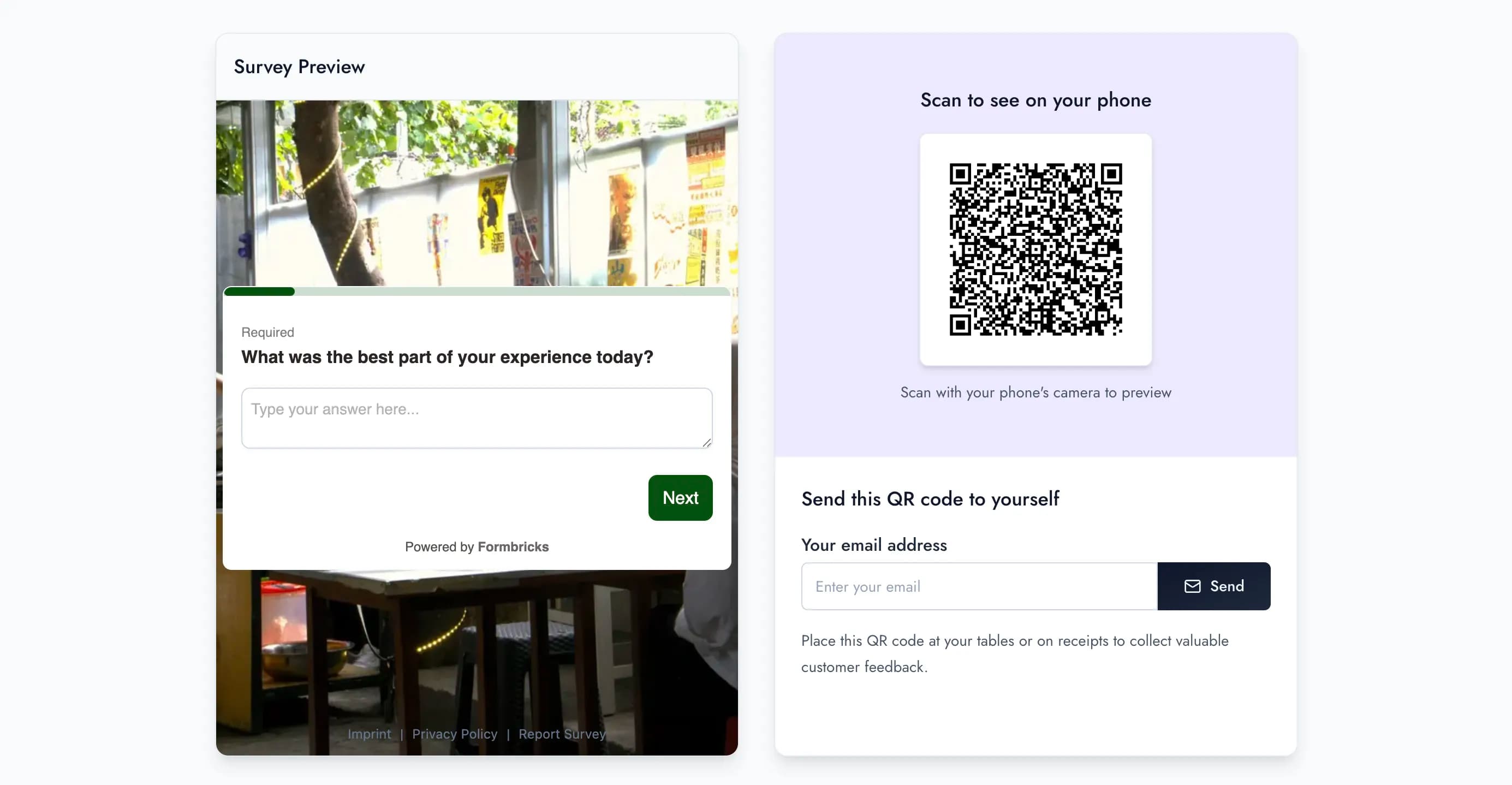
- Unique QR code per store for precise location attribution
- Real-time ticketing: negative feedback creates a ticket and notifies the right person
- SensAI Co-Pilot for natural language CX questions ("Why is NPS down this month?")
- Three-level dashboards: store, region, and brand with role-based access
- AI text analytics for themes like billing delays, staff behavior, store ambiance
- Fast implementation: typically 2-3 weeks to go live
G2 rating: 4.7/5
Pricing: Custom
Where it fits: SurveySensum is particularly strong for retail brands in Asia, the Middle East, and emerging markets where multi-store operational complexity is high and implementation speed is a priority. The trade-off is less ecommerce-native integration compared to Retently or Zonka Feedback.
8. Qualtrics
Best for: Large enterprises that need advanced statistical analysis and existing Salesforce integration.
Qualtrics is trusted by 8 out of 10 of the world's largest retailers. Its TextIQ and StatsIQ tools turn raw open-text feedback into statistically validated insights. The platform's Salesforce integration is among the deepest in the market — survey responses map automatically into customer records after each purchase.
Key features for retail:
- Custom role-based dashboards with 14-language TextIQ analysis
- StatsIQ for correlating text sentiment with NPS and satisfaction scores
- Automated post-purchase survey triggers via Salesforce
- Advanced statistical analysis for large-scale market research
Where it fits: Qualtrics makes sense for enterprise retail brands that already run Salesforce and need research-grade analytics. The learning curve, pricing, and setup complexity make it difficult to justify for mid-market retailers.
Retail Survey Touchpoints You Should Be Covering
Most retail brands only survey customers at one or two touchpoints. The brands with the highest retention rates systematically cover all of them.
| Touchpoint | Survey Type | Timing | Best Channel |
|---|---|---|---|
| Post-checkout (in-store) | CSAT, NPS | Immediately at POS | QR code on receipt |
| Post-purchase (online) | CSAT, NPS | 30 min after order confirmation | Email, web pop-up |
| Post-delivery | NPS, delivery satisfaction | 24-48h after delivery | SMS, email |
| Post-support ticket | CSAT, CES | After ticket closed | Email, in-ticket |
| In-store visit (no purchase) | CSAT | Exit point | QR code kiosk |
| Product return / exchange | Churn risk, reason capture | During return process | Web form, kiosk |
| Loyalty program milestone | NPS, advocacy | After tier upgrade |
Collecting at all seven touchpoints gives you a complete picture of the customer journey — and pinpoints exactly where your experience breaks down. See our guide on measuring customer satisfaction for how to structure metrics across each touchpoint.
The most commonly missed touchpoints in retail:
- Product returns (the moment customers are most likely to churn — see exit survey examples for how to capture this data)
- In-store visits with no purchase (intent and barrier data)
- Loyalty milestones (prime moment to convert passives into promoters)
Why Loyal Customers Are Worth More Than You Are Measuring
The financial case for retail feedback programs is better than most brands realize.
According to Bain & Company research, loyal apparel shoppers spend 67% more in months 31-36 compared to months 0-6 of their relationship with a brand. A customer's fifth purchase is 40% larger than their first.
In grocery retail specifically, promoters (loyal customers) spend an average of $132 per month versus $71 for detractors — and allocate 35% of their grocery budget to the preferred retailer versus 20% for detractors.
This is why customer retention economics work differently in retail than in SaaS: you are not just reducing churn, you are increasing basket size and purchase frequency simultaneously.
A retail survey program that identifies and rescues 100 detractors per month, converting even 20% of them to passives, compounds into a significant revenue recovery over a 12-month period. The math is straightforward when you have actual data on customer lifetime value by NPS segment.
How to Choose the Right Retail Survey Software
Use this decision framework to narrow your options:
Step 1: Identify your primary feedback gap
- Post-purchase data only? Start with Retently or Formbricks + Shopify webhook.
- In-store + online combined? Zonka Feedback or SurveySensum.
- Enterprise-grade analytics? Qualtrics or InMoment.
Step 2: Define your data governance requirements
- GDPR compliance required with no third-party data processing? Formbricks (self-hosted).
- GDPR compliance with managed cloud? Formbricks Cloud (EU-hosted) or Zonka Feedback.
- No strict requirements? Any platform on this list.
Step 3: Map your channel mix
- QR + kiosk essential for in-store? SurveySensum, Zonka Feedback, or Formbricks.
- Primarily post-purchase email? Retently or SurveySparrow.
- Need WhatsApp surveys (emerging markets)? Zonka Feedback or SurveySensum.
Step 4: Set your volume expectations
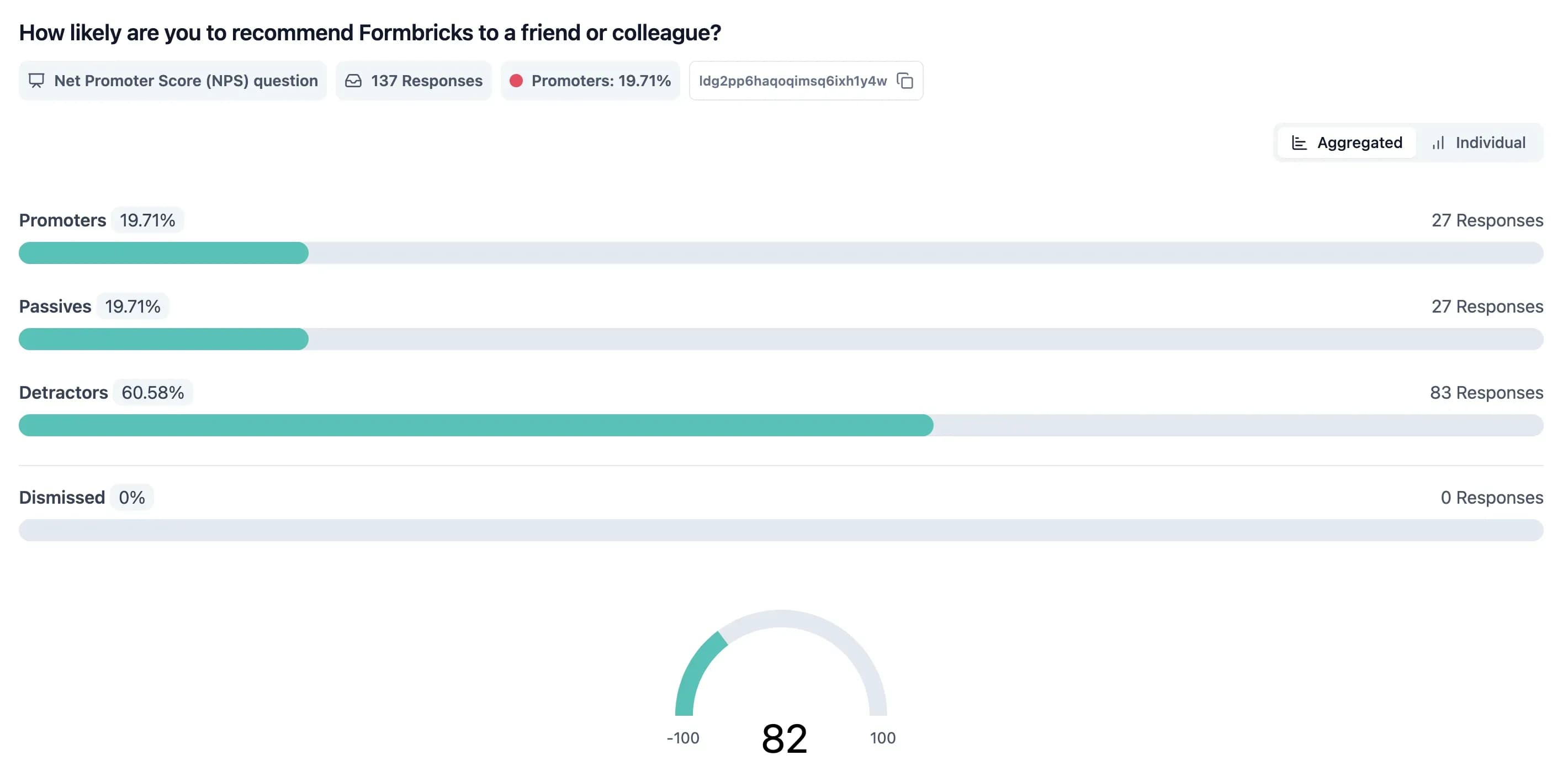
- High transaction volume (10,000+ surveys/month)? Self-hosted Formbricks avoids per-response costs.
- Mid-market volume (500-5,000 surveys/month)? SurveySparrow or Retently.
- Enterprise (50,000+)? Qualtrics or InMoment.
Step 5: Check integration requirements
For a complete mapping of which tools connect to your stack, see our comparison of customer experience analytics tools.
Retail Survey Best Practices
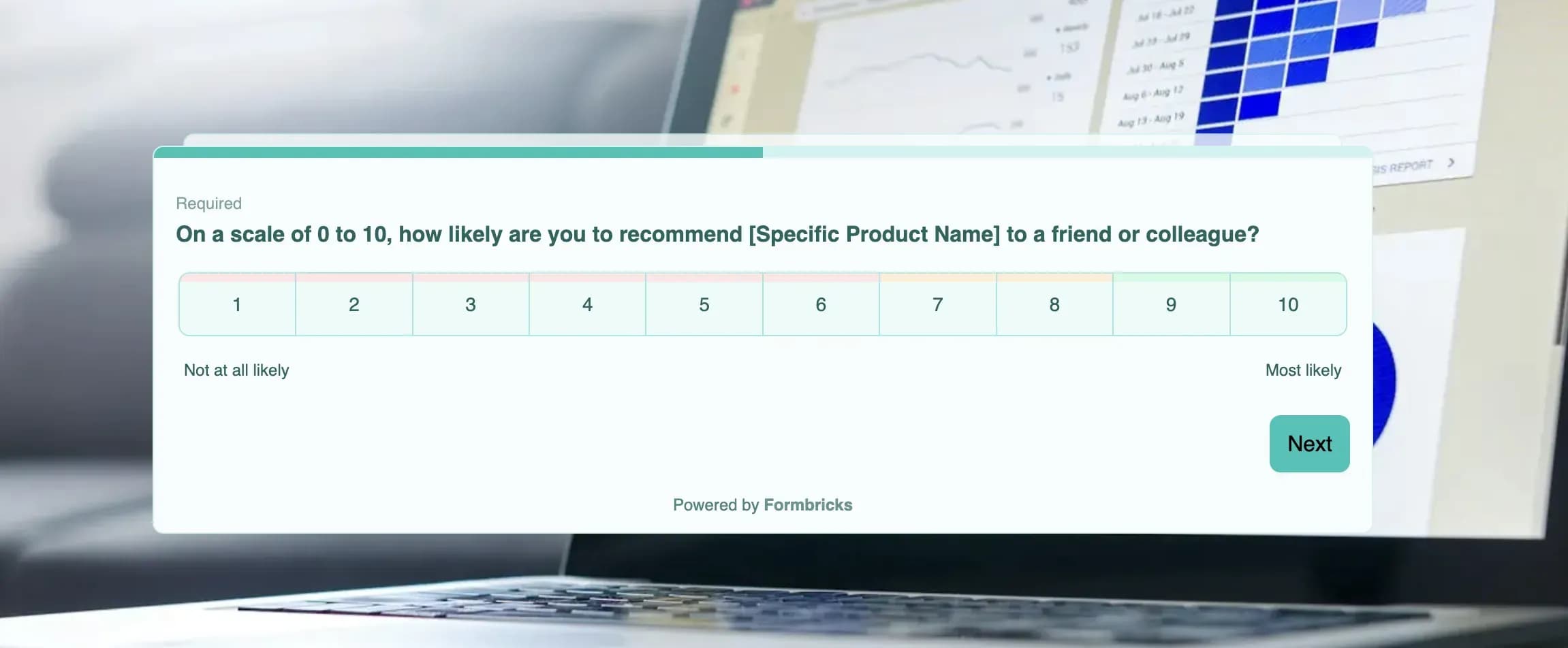
Keep in-store surveys to 3 questions or fewer. Response rates drop sharply above 5 questions in any context, but in-store it is even more acute. A customer at the register has limited bandwidth. One NPS question plus one open-text follow-up is often enough to generate actionable data. For more tactics, see our guide on how to increase survey response rates.
Separate transactional and relationship surveys. Transactional surveys (post-purchase, post-delivery) capture friction points in real time. Relationship NPS surveys (sent to your full customer base quarterly) capture overall brand sentiment. Mixing these produces noisy data. Use a tool that supports both modes distinctly.
Use survey distribution methods that match your customer behavior. A 65+ demographic responds better to printed QR codes than SMS links. A Gen Z shopper ignores email but taps NFC on the way out. Match your collection channel to the segment.
Close the loop — visibly. According to PwC, 73% of customers say experience is an important factor in their purchasing decisions. When you act on feedback, tell customers what changed. "You told us checkout lines were too long. We have added a dedicated express lane at all locations." This closes the feedback loop and signals that feedback is worth giving.
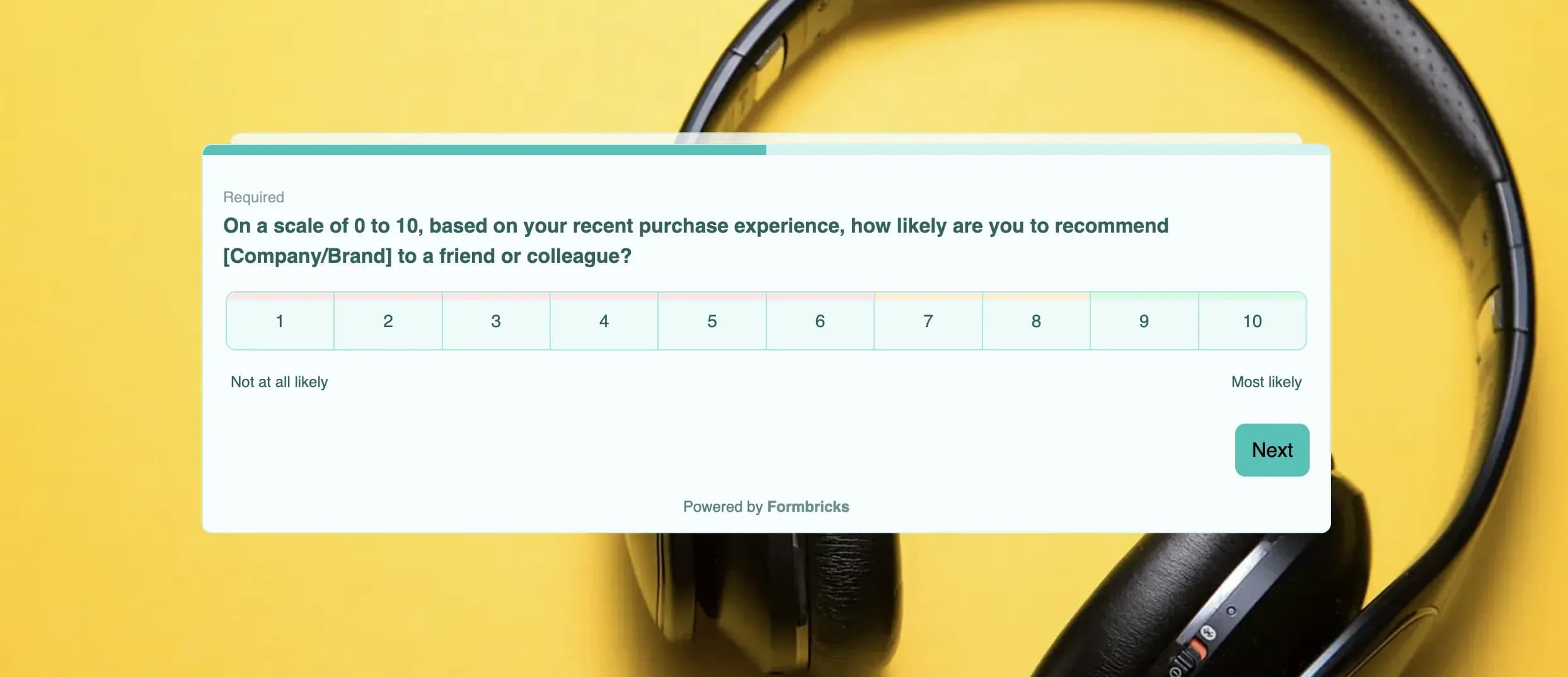
Segment before you survey. A first-time buyer and a 10-visit loyalty member should not receive the same survey. Use customer segmentation to personalize questions and improve both completion rates and data quality.
Track trends, not snapshots. A single survey result is an anecdote. 6,000 results over 12 months reveal patterns. Our guide on analyzing customer feedback covers how to turn raw responses into actionable themes. Set up weekly trend reports in your customer experience analytics platform and review them at a fixed cadence.
Common Retail Survey Questions to Start With
If you are building your first retail survey program, these are the highest-signal questions to start with by touchpoint:
Post-purchase (online):
- "How would you rate your overall shopping experience today?" (1-5 scale)
- "How likely are you to recommend us to a friend or colleague?" (NPS 0-10)
- "What could we have done better?" (open text, optional)
Post-delivery:
- "How satisfied are you with your delivery experience?" (1-5 scale)
- "Was your order delivered on time?" (Yes / No / No, it was early)
- "Please describe any issues with your delivery." (open text, optional)
In-store exit:
- "How was your experience in our store today?" (1-5 scale)
- "Did you find everything you were looking for?" (Yes / No)
Post-support:
- "How easy was it to resolve your issue today?" (CES 1-7)
- "How satisfied are you with the support you received?" (1-5 scale)
For a complete library of retail and customer experience survey questions, see our guide to NPS question examples and the broader voice of customer templates collection.
Where Formbricks Fits into a Retail Survey Stack
Formbricks was built for teams that want precision feedback at specific moments in the customer journey — without the complexity or cost of enterprise platforms.
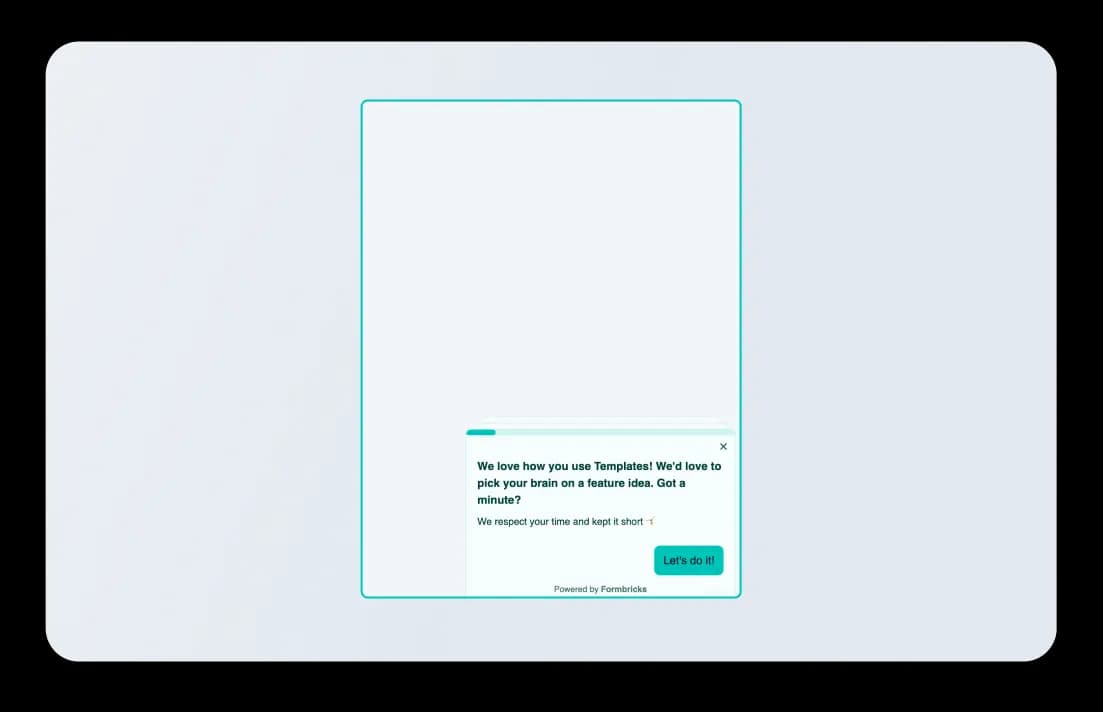
In a retail context, Formbricks works particularly well for:
- Post-purchase web surveys triggered after online checkout (with Shopify webhook or Zapier)
- GDPR-compliant EU retail brands that need self-hosted infrastructure
- Multi-location retail teams using QR code surveys per location with response routing
- Retail brands at volume who need to avoid per-response pricing at scale
Formbricks integrates with Zapier, Make, Slack, HubSpot, and major CRMs via webhook. For teams that want full control over their feedback stack and data pipeline, the open-source model means you can build exactly what you need without waiting for a vendor roadmap.
Explore retail survey templates on Formbricks or get started free.
Frequently Asked Questions
Try Formbricks now